
Cart
0
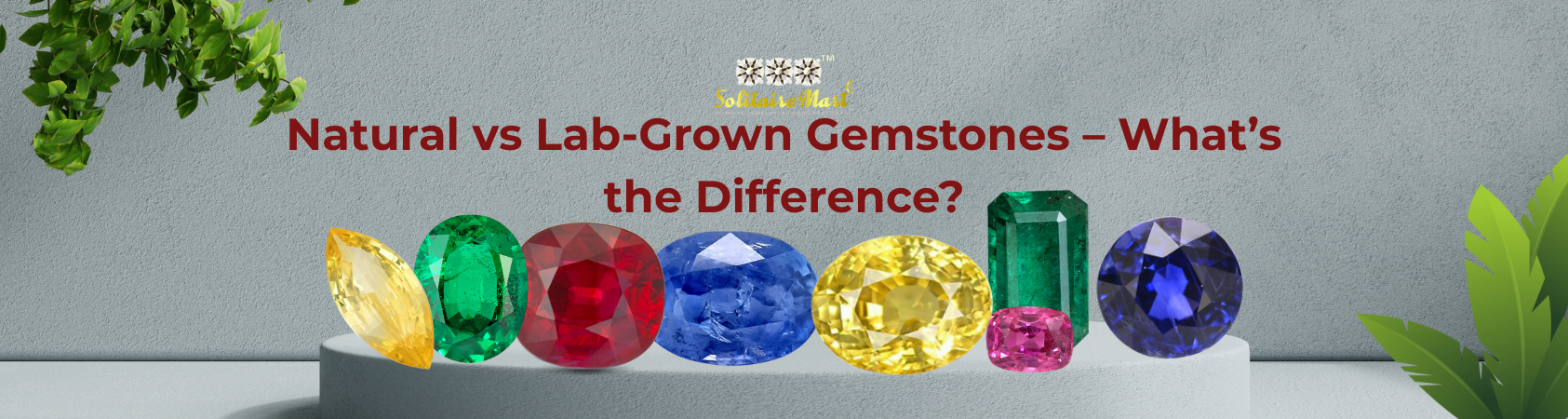
Gemstones have long been cherished for their dazzling beauty and cultural significance. Whether they shine brightly on engagement rings, necklaces, or other forms of jewelry, these precious stones carry both symbolic and material value. However, as technology advances, consumers now have more choices than ever before. These choices boil down to two categories—natural gemstones and lab-grown gemstones.
In this comprehensive guide, we’ll explore "Natural vs Lab-Grown Gemstones – What’s the Difference?" and break down everything you need to know before making your next purchase. From their origin and cost to environmental impact and durability, we’ll compare every vital aspect to help you make an informed decision.
What Are Natural Gemstones?
Natural gemstones are formed deep within the Earth over millions (or even billions) of years. Natural processes—such as volcanic activity, high pressure, and heat—result in the formation of these precious stones. They are mined from the Earth and undergo cutting and polishing to bring out their brilliance.
Each natural gemstone is unique, often containing slight imperfections or inclusions that reflect their natural origin. Examples of natural gemstones include diamonds, sapphires, rubies, emeralds, and opals.
What Are Lab-Grown Gemstones?
Lab-grown gemstones, also called synthetic gemstones, are created in controlled laboratory environments. Advanced technology mimics the natural processes that occur beneath the Earth’s surface, producing gemstones that are chemically, optically, and physically identical to their natural counterparts.
The popularity of lab-grown gemstones has surged in recent years due to their affordability and eco-friendly production process. However, despite their similarities, they still raise the question: "Natural vs Lab-Grown Gemstones – What’s the Difference?"

Key Differences Between Natural and Lab-Grown Gemstones
1. Origin and Formation
- Natural Gemstones: Formed underground through natural processes over thousands to millions of years. They are mined from the Earth and are considered rare due to the time and conditions required for their creation.
- Lab-Grown Gemstones: Manufactured using high-tech machinery in laboratories. These gemstones are developed in weeks or months by replicating the same conditions found in nature.
2. Cost
When comparing natural vs lab-grown gemstones, cost often becomes a deciding factor.
- Natural Gemstones: Generally more expensive due to their rarity and the labor-intensive mining process.
- Lab-Grown Gemstones: Far more affordable, typically costing 20–30% less than natural gemstones. This price difference makes them an appealing choice for consumers on a budget.
3. Clarity and Appearance
- Natural Gemstones: May include imperfections like inclusions or color inconsistencies, which add to their uniqueness and authenticity.
- Lab-Grown Gemstones: Often flawless, as they are created under controlled conditions. The absence of inclusions can sometimes make them appear “too perfect.”
4. Environmental Impact
One significant topic in the "Natural vs Lab-Grown Gemstones – What’s the Difference?" discussion is their environmental footprint:
- Natural Gemstones: Mining can disrupt ecosystems, cause deforestation, and lead to habitat destruction. Ethical concerns related to “blood diamonds” also arise when discussing natural gemstones.
- Lab-Grown Gemstones: Far more sustainable, as their production consumes significantly less land and causes minimal environmental damage.
5. Durability
Surprisingly, there’s no difference in the durability of natural and lab-grown gemstones since they have identical physical and chemical properties.
- Natural Gemstones: Durable and long-lasting, possessing centuries of proven endurance.
- Lab-Grown Gemstones: Equally durable and ideal for all types of jewelry, including daily wear.
Are Lab-Grown Gemstones Real?
One of the most frequent questions in the natural vs lab-grown gemstones comparison is whether lab-created stones are real. The short answer is yes.
Lab-grown gemstones are not fake or imitations. They are chemically, physically, and optically identical to natural gemstones. However, because they are made in labs, purists may argue they lack the historical or sentimental value associated with natural stones.
Natural vs Synthetic Gemstones: Pros and Cons
Let’s break down the advantages and disadvantages to provide a balanced view:
Pros of Natural Gemstones
- Unique and one-of-a-kind due to their natural imperfections.
- Represent a piece of the Earth’s history.
- Often hold higher value for collectors and investors.
Cons of Natural Gemstones
- More expensive due to their rarity.
- Potential ethical and environmental concerns related to mining.
- Might include inclusions, which some view as flaws.
Pros of Lab-Grown Gemstones
- Affordable and budget-friendly.
- Ethically produced with a smaller environmental footprint.
- Flawless clarity, appealing to modern buyers.
Cons of Lab-Grown Gemstones
- Lacks the rarity and sentimental value of natural stones.
- Potentially lower resale or investment value.
- Viewed by some purists as less “authentic.”
How to Identify Lab-Grown Gemstones
Distinguishing between natural and lab-grown gemstones can be tricky, even for professionals. However, a few tips can help:
- Check for Certifications: Laboratory-created gemstones usually come with certifications stating their synthetic origin.
- Flawlessness: Lab-grown gemstones often have perfect clarity, while imperfections in natural stones are common.
- UV Light Testing: Some lab-created stones may fluoresce differently under UV light compared to their natural counterparts.
- Seek Expert Opinion: When in doubt, consult a gemologist with specialized tools.
Understanding these distinctions is key to answering "Natural vs Lab-Grown Gemstones – What’s the Difference?" when making informed jewelry investments.
Natural vs Lab-Grown Gemstones for Jewelry
Both types of gemstones are popular in the jewelry market. Here’s how they compare for specific types of jewelry:
-
Engagement Rings
- Natural Gemstones: Preferred for their rarity and sentimental value, making them a timeless option for proposals.
- Lab-Grown Gemstones: A more affordable, eco-friendly choice, appealing for couples prioritizing sustainability.
-
Everyday Jewelry
- Natural Gemstones: Durable and classic but often higher priced for everyday wear.
- Lab-Grown Gemstones: Cost-effective, offering a wide range of options for casual accessories.
Natural vs Synthetic Gems: Price Differences
Affordability remains a major selling point for lab-grown gemstones. Compared to their natural counterparts, lab-created stones are typically two to five times less expensive. However, this lower price could result in less resale or investment value over time, which is crucial to consider if you’re purchasing gemstones as assets.
Lab-Grown vs Natural Gemstones: Environmental Impact
The environmental impact is one of the most significant differences between lab-grown vs natural gemstones. Mining natural gemstones often causes deforestation and contributes to carbon emissions. In contrast, lab-created gemstones are grown with a significantly reduced environmental footprint, making them the more sustainable choice.
Which Lasts Longer: Lab-Grown or Natural Gems?
Durability is identical for both natural and lab-grown gemstones. Whether it’s a mined diamond or a lab-created one, both score a perfect 10 on the Mohs scale of hardness. Similarly, rubies, sapphires, and other stones maintain their durability regardless of origin.
Lab-Created Gems vs Natural Gems: What’s Better?

Answering this question depends on your priorities. If you value rarity, uniqueness, and potential resale value, natural gemstones are the better option. If you’re looking for affordability, sustainability, and modern perfection, lab-grown gemstones are ideal.
Conclusion: What to Choose?
Choosing between natural and lab-grown gemstones ultimately depends on your preferences and values. If you’re drawn to the history and uniqueness of gemstones forged deep within the Earth, natural stones may speak to your heart. However, if you aim to combine ethical choices with budget-friendly options, lab-grown gemstones are worth considering.
At Solitairemart Group of AJ Design and Retail, we offer a stunning selection of both natural and lab-grown gemstones, perfect for your next piece of jewelry. Whether you’re searching for engagement rings, everyday accessories, or investment-grade stones, we ensure unparalleled quality and clarity in all our offerings.
To learn more and explore your options, visit us at GF-40 MGF Metropolition Mall Saket, New Delhi, Delhi -110017, or contact us at +91 9990614555, +91 7827974616, +91 7827974597. Let us help you find the gemstone that perfectly matches your style and values.
We hope this guide has helped you better understand "Natural vs Lab-Grown Gemstones – What’s the Difference?" and has provided insight into their unique benefits. Whether natural or synthetic, gemstones are timeless treasures that add sparkle to every moment.


